As we age, our personal environments naturally shift. Neighborhoods change, close friends relocate, and driving limitations can make routine outings difficult. For many older adults, these gradual transitions cause their world to shrink, leading to a quiet but dangerous reality: social isolation.
While many families view moving to a community as a step back in independence, the clinical reality is exactly the opposite. Modern benefits of senior living communities center on empowerment, vitality, and proactive health. Choosing a communal living environment is a strategic lifestyle choice that directly enhances physical health, cognitive sharpness, and overall quality of life.
To understand the value of community, we must first look at the clinical impact of living alone. Public health studies reveal that chronic loneliness in older demographics can be as damaging to personal physical health as smoking 15 cigarettes a day. Prolonged isolation increases the statistical risk of cardiovascular disease, elevates stress hormones, and accelerates cognitive decline.
A dedicated retirement community addresses this issue by replacing forced isolation with effortless social infrastructure. It transforms an isolated house into a neighborhood designed for human connection.
The brain operates much like a muscle—it requires consistent engagement, novelty, and exercise to remain sharp. Regular daily conversation and collaborative learning build cognitive reserve, helping to stave off memory issues.
Daily interactions with peers who share similar life experiences provide emotional validation and support. Whether discussing current events over morning coffee or sharing a laugh during an evening meal, these moments release positive neurotransmitters like oxytocin and dopamine, which naturally reduce anxiety and combat depression.
Modern communities move far beyond traditional pastimes, offering structured senior socialization activities that stimulate lifelong learning, such as:
Active, healthy aging relies heavily on daily lifestyle choices. When living entirely alone, maintaining proper nutrition and safe exercise routines often becomes difficult.
Cooking balanced meals for one person can feel like a chore, frequently leading to a diet of frozen, sodium-rich convenience foods or skipped meals. Community dining transforms nutrition by offering chef-prepared, restaurant-quality meals made from fresh, locally sourced ingredients. Dietary options are customized for cardiovascular strength, glycemic control, and optimal energy, turning mealtime back into a healthy, social experience.
Maintaining physical mobility is essential for independent living. Communities incorporate healthy aging tips into daily routines through accessible wellness amenities:
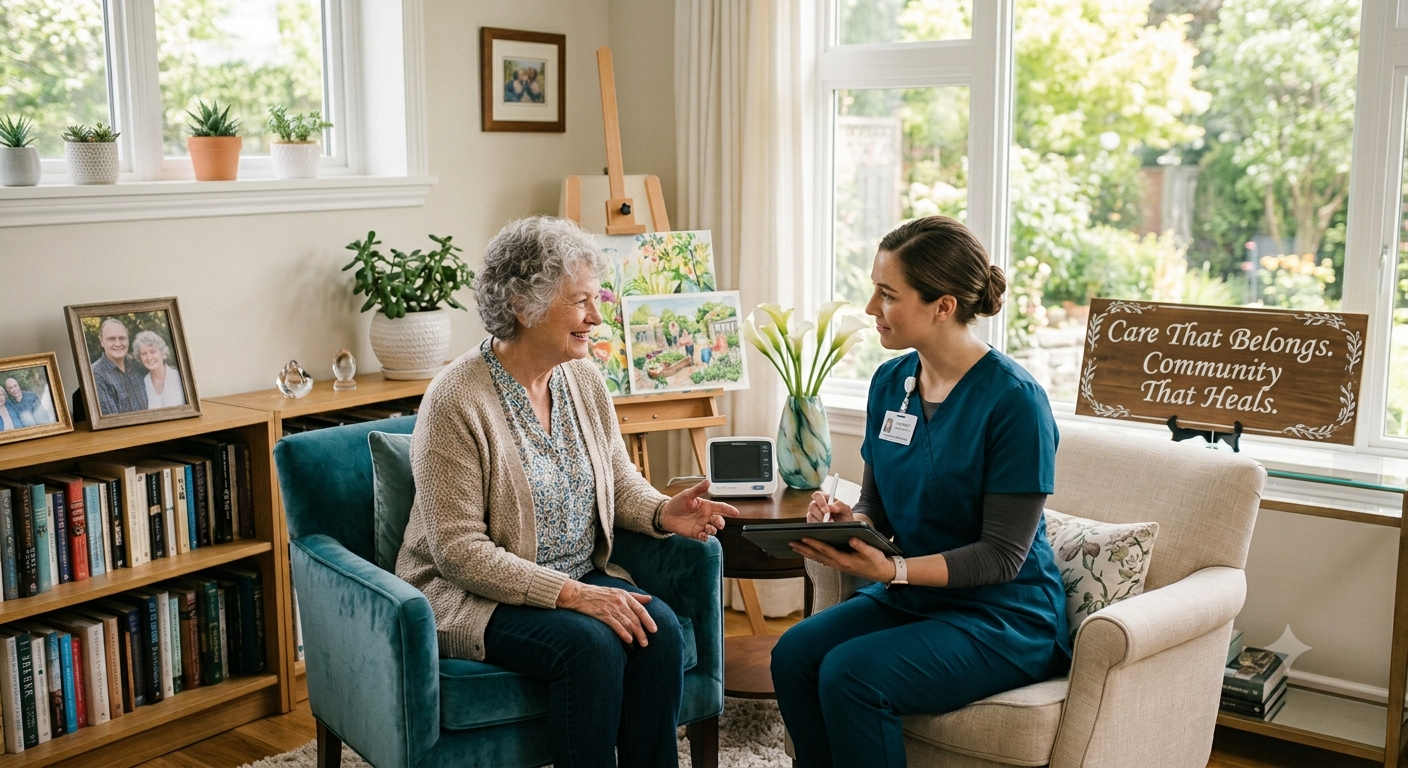
Living alone often creates a background level of anxiety regarding unexpected slips or emergencies. Having discreet, professional support available 24/7 removes this psychological stress. Knowing help is always close at hand allows residents to confidently pursue active hobbies without fear.
True longevity for older adults requires a reason to wake up with anticipation each morning. Retirement communities are vibrant hubs of purpose, offering residents ample opportunities to explore new passions or pass down a lifetime of knowledge:
Choosing a senior living community is a proactive investment in your health, happiness, and personal longevity. By surrounding yourself with professional wellness support, nutritious culinary options, and a vibrant circle of peers, you protect your physical safety while opening the door to a fulfilling new chapter of personal growth.
To discover how our dedicated wellness programs can enrich your daily life, read our latest features on the Breuer Health Blog, or find a neighborhood near you using our verified Breuer Health Facility Locator to experience our active community lifestyle firsthand.
This educational resource is curated by the Breuer Health Senior Living Care Team. Every informational guide is thoroughly reviewed by certified senior care administrators and licensed nursing specialists to ensure accuracy, alignment with regional regulatory frameworks, and adherence to senior care standards. This content is for general educational purposes only and does not replace professional medical diagnosis, clinical advice, or individualized physician consultations.